The 1997 NBA Draft was a watershed moment for the Los Angeles Clippers, a franchise that had struggled for years to find its footing in the competitive landscape of the NBA. With the first overall pick, the Clippers selected a player who would not only transform the team but also redefine the expectations of the franchise itself: Michael Olowokandi.
Olowokandi, a 7-foot center out of the University of the Pacific, was seen as a potential game-changer. The Clippers had been mired in a cycle of losing seasons, and the hope was that Olowokandi could provide the paint presence and rebounding prowess that the team desperately needed. He brought an intriguing mix of size and athleticism, and while his career didn't reach the lofty heights some expected, his selection was pivotal in changing the narrative surrounding the Clippers.
What made the 1997 Draft particularly significant was not just the selection of Olowokandi, but the context surrounding it. The Clippers were in the midst of an identity crisis; fans were weary of a franchise that had often been the punchline of jokes in the league. By taking Olowokandi first overall, the Clippers aimed to signal a new direction, one that embraced the potential for growth and success.
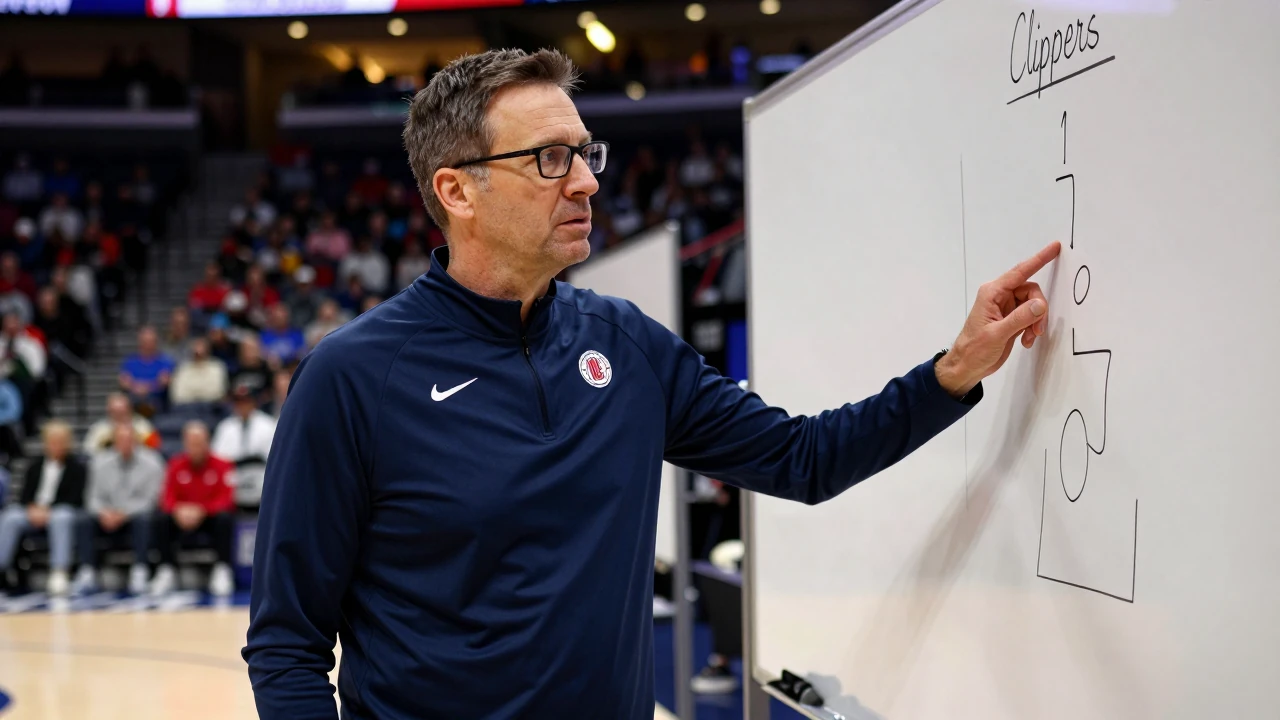
In his early years, Olowokandi showed flashes of brilliance. He averaged double-digit points and rebounds during his time with the Clippers, demonstrating his ability to impact games in the paint. His presence on the court created opportunities for his teammates and allowed the team to explore different offensive strategies, such as the pick and roll, where his size could be utilized effectively to free up shooters on the perimeter.
While the Clippers drafted Olowokandi with high hopes, the franchise continued to face challenges in assembling a competitive roster around him. The team struggled to find consistency, and despite Olowokandi's contributions, the Clippers experienced a series of disappointing seasons. However, his selection laid the groundwork for future drafts and acquisitions that would eventually lead to more competitive teams in the years to come.
The 1997 Draft also marked the beginning of a shift in the franchise's front office philosophy. It sparked a series of subsequent drafts and trades aimed at building a more robust core of players. The Clippers recognized the need for a more cohesive team structure, which ultimately led to the acquisition of other key players in future years, setting the stage for a more competitive era.
In retrospect, the 1997 Draft was not just about selecting a player; it was about reshaping the Clippers' identity. Though Olowokandi's tenure with the team would have its ups and downs, his selection was a crucial step toward cultivating an environment where players could thrive and where the franchise could aspire to reach new heights. The impact of that draft pick resonates in the current roster construction and the overall direction of the organization today.
As the Los Angeles Clippers continue to strive for success in the modern NBA, the lessons learned from the 1997 Draft serve as a reminder of the importance of strategic decision-making and vision. The foundation laid by that pivotal moment is still felt, as the franchise seeks to build a legacy that fans can be proud of, transforming from perennial underdogs to serious contenders in the league.